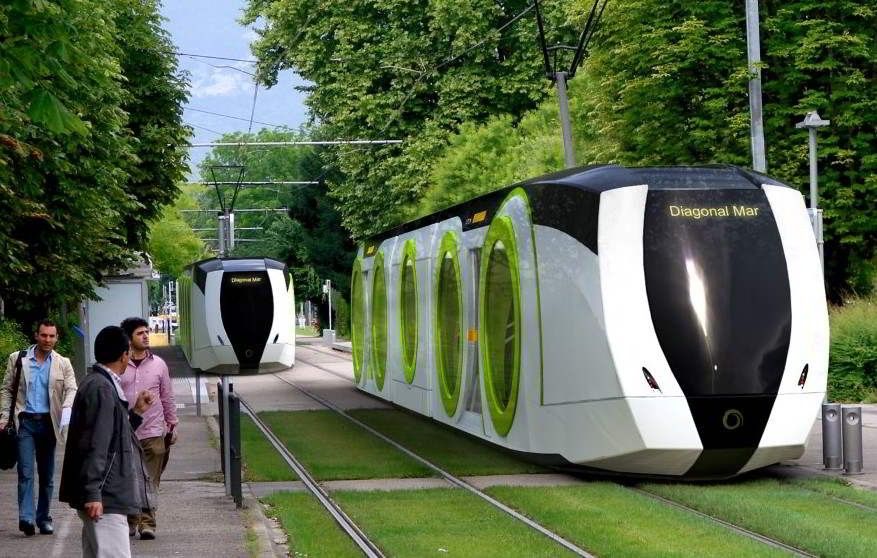
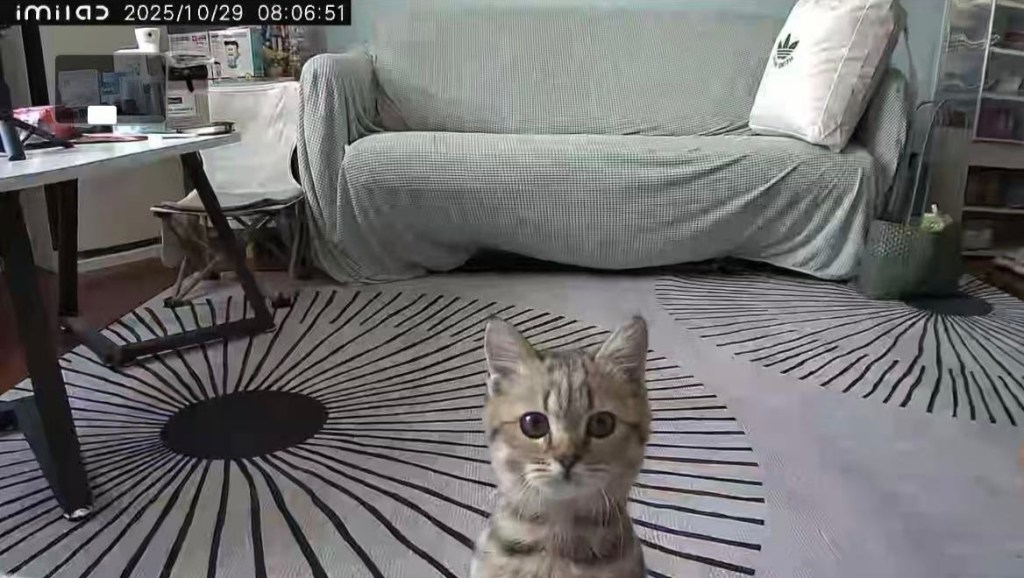
It emphasises that design’s purpose is to improve human experience and mobility — putting people first, not aesthetics. It reminds me that every design decision should serve real users, their needs, comfort and accessibility.
Welcome to WordPress! This is your first post. Edit or delete it to take the first step in your blogging journey.
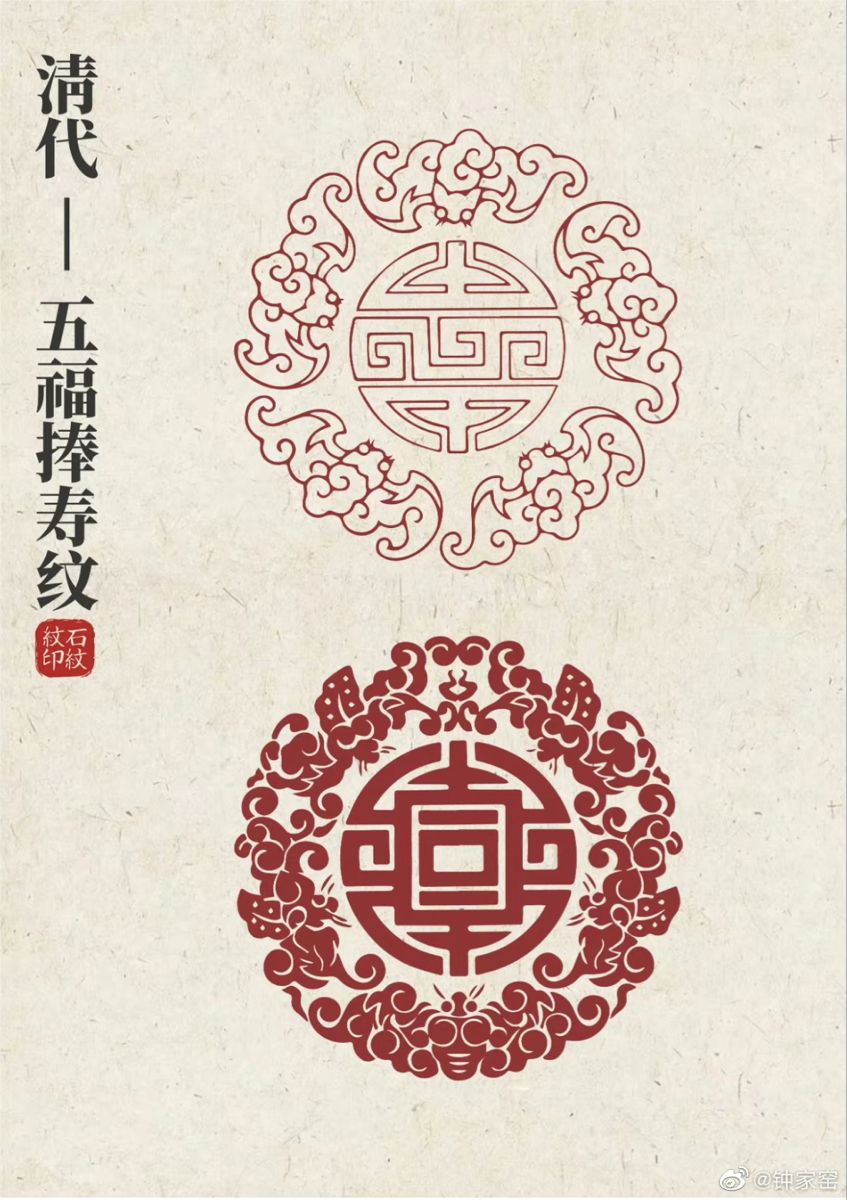
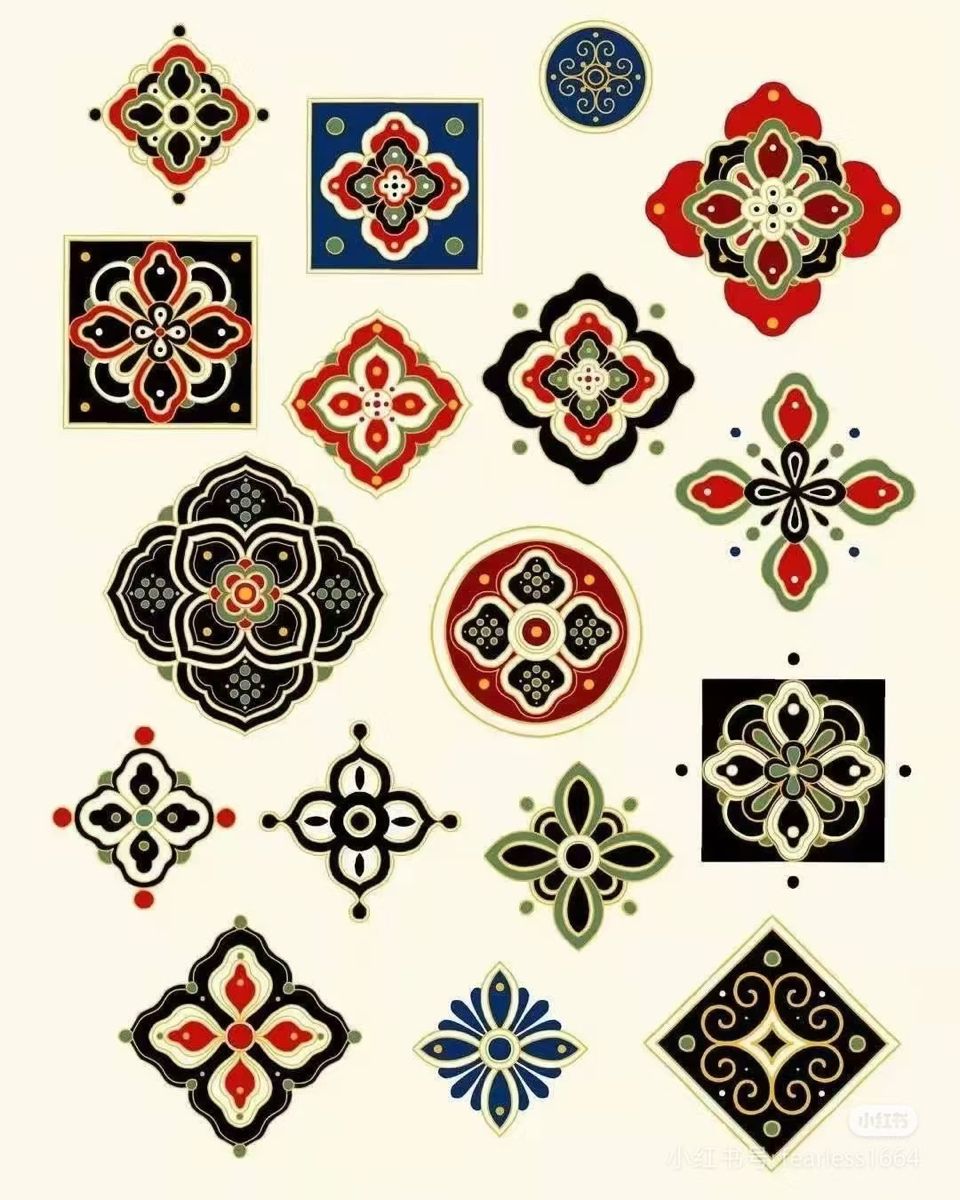
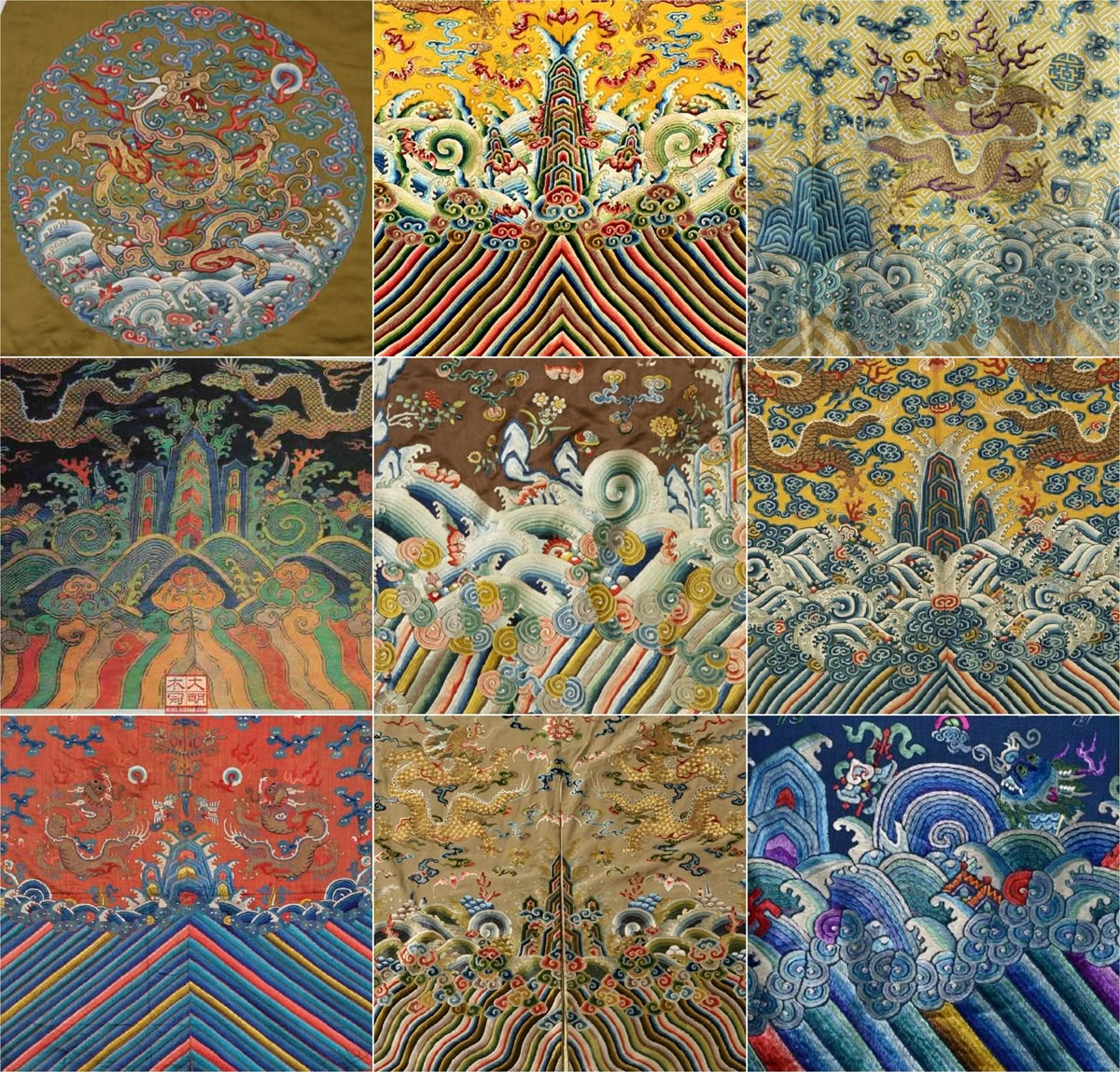
Creativity—Chinese traditional pattern
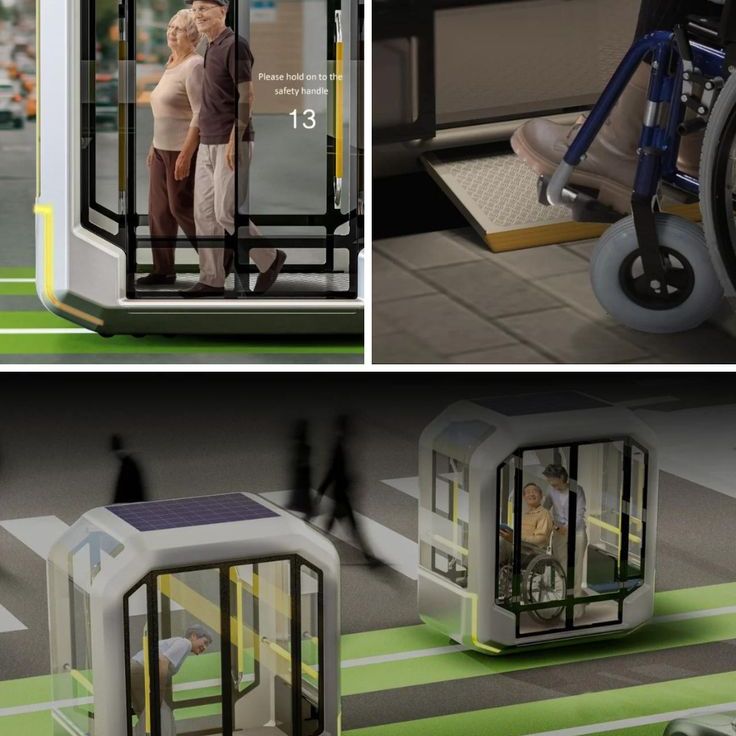
Developmennt—Human-centred design
Because I have limited theoretical knowledge in this area, I plan to read and study the latest research — for example, Human Centred Design Considerations for the Development of Sustainable Public Transportation in Malaysia (Jo Kuys et al., 2022) — in order to understand design principles of passenger experience, accessibility, and comfort in public-transport systems.
Development—Sustainable transport / Green mobility design principles
As developing green and sustainable vehicles becomes mainstream, I plan to study and refer to 交通运输规划设计与可持续发展研究 (Liang Zejun & Liu Xiaoyan, 2024) — aiming to master how to balance economic, social, and environmental needs at both vehicle and system levels.
In order to design more novel and avant-garde vehicles, I believe I still need to build system-level thinking and the ability to integrate future mobility trends. I plan to follow and study materials on future transport systems and mobility transformation — for example, the article “Skidmore, Owings & Merrill (SOM)’s future urban transportation design concept (2019)” — to understand the relationships between autonomous driving, drones, public-transport system design and urban planning.
Problems & Solutions
At present I mostly do sketches and creative ideas, but I lack sufficient understanding of “real user needs,” “system feasibility,” and “environmental impact.” Perhaps by reading professional research (such as on HCD, sustainable transport system design) and studying public-transport system design cases, I can gradually integrate a perspective of “user experience + sustainability + system thinking” into my designs.
Through the simple manifesto “Design moves people,” I try to express that vehicle design is not only about aesthetics, but about responsibility to people, society and environment. In the future, I will continuously study Human Centred Design, sustainable mobility design, system-level thinking and future mobility trends, integrating these into my design practice — striving to become a designer capable of creating transport vehicles / systems that are meaningful, inclusive and responsible.
Reference
Kuys, J., Melles, G., Al Mahmud, A., Thompson-Whiteside, S., & Kuys, B. (2022). Human Centred Design Considerations for the Development of Sustainable Public Transportation in Malaysia. Applied Sciences, 12(23), 12493. Published: 6 December 2022; Australia.https://doi.org/10.3390/app122312493
European Commission. (2013). Urban Mobility Package – Annex: A Concept for Sustainable Urban Mobility Plans (SUMP). (On definition and aims of sustainable urban mobility planning). See also concept description on Wikipedia: “Sustainable Urban Mobility Plan”.https://en.wikipedia.org/wiki/Sustainable_Urban_Mobility_Plan?utm_source=chatgpt.com
alace Museum (The Forbidden City) Editorial Team. (2023). Traditional Patterns’ Contemporary Redesign and Application. Exhibition & cultural-creative design introduction; China. Source: Palace Museum official website. https://www.dpm.org.cn
[Anonymous Design Team]. (2022, May). Case Analysis: Contemporary use of traditional Chinese patterns. Design magazine / online blog; China.